Indoor comfort depends on more than having an air conditioner. Buildings also need suitable ventilation, effective airflow and properly selected climate-control equipment. A well-designed HVAC system helps create comfortable indoor conditions in residential, commercial and industrial environments.A professional HVAC contractor can assist with planning, installing, maintaining and improving heating, ventilation and air conditioning systems. Each project requires an assessment of the building, its intended use and the equipment needed to achieve the desired indoor conditions.Whether you are developing a new property or upgrading an existing building, selecting suitable HVAC solutions can support long-term comfort and operational efficiency.

Understanding HVAC Systems
HVAC stands for heating, ventilation and air conditioning. These systems help regulate indoor temperature, airflow and ventilation.
The main components serve different purposes:
Heating: Provides warmth when indoor temperatures become too low.
Ventilation: Helps circulate indoor air and introduce fresh outdoor air where the system is designed to do so.
Air conditioning: Controls indoor temperatures through cooling and, in suitable systems, humidity management.
Some buildings use separate equipment for each function. Others rely on integrated systems designed to manage several indoor climate requirements.
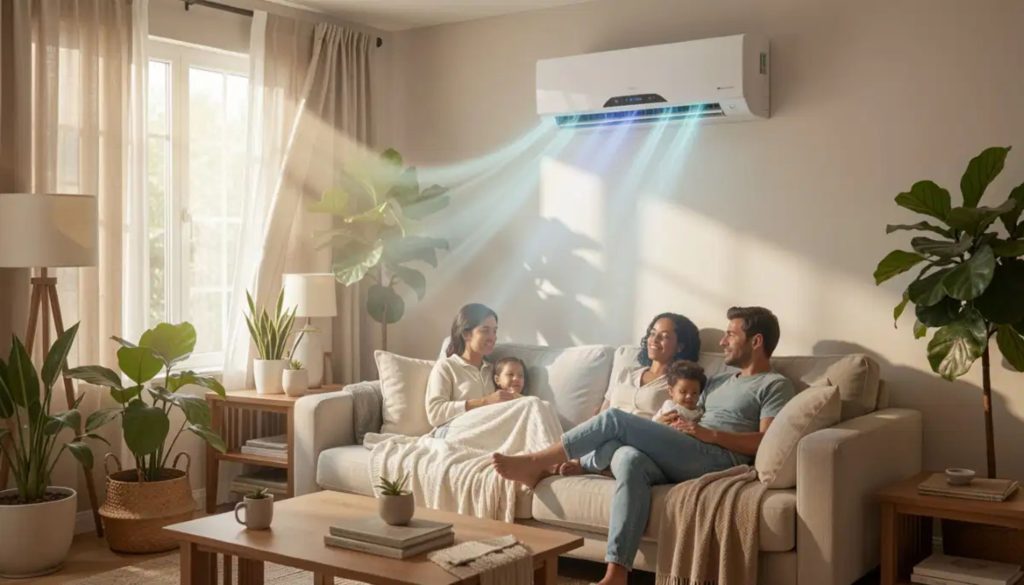
HVAC Installation for Residential Properties
Homes require climate-control solutions that suit their room layouts, occupancy and everyday activities. Bedrooms, living areas, kitchens and home offices may have different heating and cooling requirements.
An installation assessment should consider room dimensions, insulation, window placement and available electrical infrastructure. These factors help determine suitable equipment and installation positions.
A properly planned HVAC contractor project can also consider future maintenance access and the distribution of conditioned air throughout the property.
Commercial HVAC Systems
Commercial buildings often require more extensive climate-control arrangements. Offices, retail stores, restaurants, warehouses and other business premises can experience different heat loads throughout the day.
A suitable system should account for:
Building size and internal layout.
Number of employees, customers and visitors.
Heat generated by lighting and equipment.
Ventilation requirements.
Operating hours.
Temperature-control needs in different areas.
Larger premises may benefit from centralised systems, ducted air conditioning or multiple independently controlled units. The final design should reflect the building’s actual requirements.
Ventilation and Indoor Airflow
Ventilation plays an important role in indoor environmental quality. Poor airflow can contribute to stuffy rooms, uneven temperatures and uncomfortable working conditions.
Depending on the building, ventilation solutions may include mechanical extract fans, fresh-air systems and ducted ventilation equipment.
A proper assessment identifies where air enters, how it circulates and where stale air needs to be removed. Ventilation requirements should also consider the building’s use and applicable regulations.