Choosing the right person to install your air conditioner is just as important as selecting the equipment. A properly planned installation helps maintain comfortable indoor temperatures and supports the efficient operation of the system.An experienced Air conditioner installer can assess your property, recommend suitable equipment and determine the best position for each unit. This process helps prevent common installation problems, including restricted airflow, poor drainage and unsuitable equipment placement.Whether you need cooling for a bedroom, office, shop or larger commercial building, the installation should match your property’s requirements.

Finding the Right Air Conditioning System
Different buildings require different cooling solutions. A small residential room may only need a wall-mounted split unit, while a large commercial space could require a cassette or ducted system.
Common air conditioning options include:
Wall-mounted split systems: Suitable for bedrooms, lounges, studies and smaller offices.
Cassette systems: Designed for suitable ceiling installations in offices and commercial premises.
Ducted air conditioning: Provides conditioned air through a network of ducts to multiple areas.
Multi-split systems: Connect several indoor units to an outdoor unit, depending on the equipment’s capacity and design.
Floor-standing units: Useful where wall or ceiling mounting is unsuitable.
A site assessment helps determine which option provides the most practical solution.

Residential Air Conditioner Installation
Homeowners often install air conditioners to improve comfort in bedrooms, living rooms, dining areas and home offices.
The location of the indoor unit affects how air moves around the room. Installers should consider furniture placement, windows, ceiling height and other possible airflow restrictions.
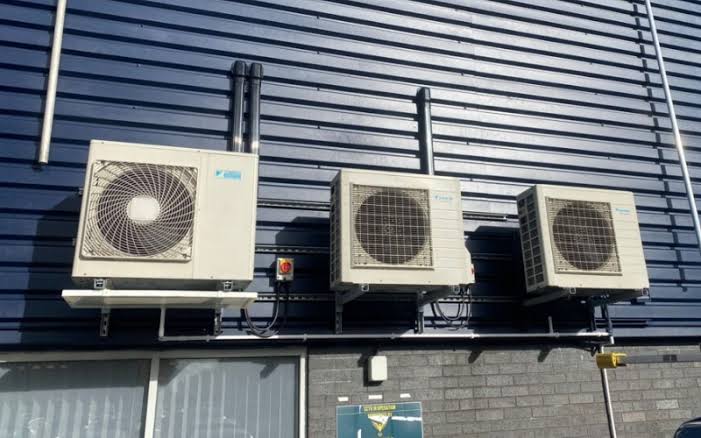
The outdoor unit also needs a stable position with sufficient ventilation. Proper drainage and accessible pipework should form part of the installation plan.
A professional Air conditioner installer considers these details before beginning the work.
Commercial Air Conditioning Installations
Commercial buildings may have different cooling requirements because of occupancy, lighting, electronic equipment and operating hours.
Offices, shops, restaurants and reception areas need systems that suit their layouts and daily activities. Some premises may benefit from individual split units, while larger spaces could require a centralised cooling arrangement.
Before installation, the contractor should assess the building and explain the available options. This helps businesses select equipment that meets their cooling needs without unnecessary expenditure.
Why Choose a Professional Installer?
Correct installation affects the safety, performance and reliability of an air conditioning system. Poor workmanship can result in water leaks, inadequate cooling, loose mounting and other avoidable problems.
A professional Air conditioner installer should provide:
An assessment of the installation area.
Guidance on suitable equipment.
Clear information about the work involved.
Secure mounting and suitable positioning.
Proper drainage and pipework arrangements.
Operational testing after installation.
Basic guidance on equipment maintenance.
Always confirm the installer’s experience, qualifications where required and the scope of any workmanship warranty before proceeding.