Air conditioning systems become less efficient as they age. Frequent breakdowns, rising electricity bills and poor cooling can indicate that your unit needs attention. In some cases, replacing an outdated system offers better long-term value than continuing to pay for repairs. Professional aircon replacement helps you choose a suitable unit for your space, improve indoor comfort and reduce unnecessary energy consumption.
When Should You Replace Your Air Conditioner?
Not every cooling problem requires a new unit. However, certain warning signs suggest that replacement may be the more practical option.
An air conditioner that breaks down regularly can become expensive to maintain. If repair costs continue to increase, installing a new system may save money over time. Older units may also consume more electricity, especially when they struggle to maintain the selected temperature.
You should also consider replacement when your system produces unusual noises, cools rooms unevenly or uses refrigerant that is difficult or costly to source. A qualified technician can inspect the equipment and explain whether repairing or replacing it makes more financial sense.
Professional Aircon Replacement Services
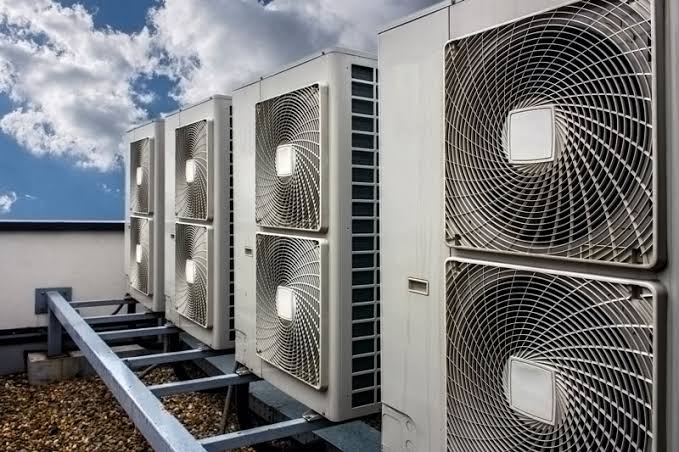
Choosing the right replacement involves more than removing an old appliance and installing another one. The new system must suit the room size, building layout, cooling requirements and available electrical supply.
Our air conditioning service covers the essential stages of aircon replacement, from assessing your existing installation to checking that the new unit operates correctly. We consider factors such as airflow, insulation, window exposure and the number of people using the space.
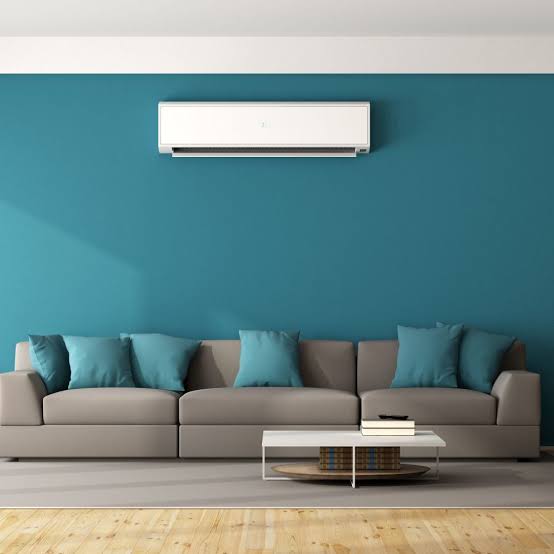
Depending on your property, suitable options may include a wall-mounted split system, an inverter air conditioner or another configuration designed for the building. Proper selection helps prevent undersized units from running continuously and oversized units from cycling too frequently.
Replacing Old Air Conditioning Units
An outdated air conditioner may no longer deliver consistent performance during hot weather. Dust accumulation, worn components and declining efficiency can affect its ability to cool a room comfortably.
Replacing an old unit provides an opportunity to improve temperature control and review the condition of the existing pipework, drainage and electrical connections. During aircon replacement, the installer should check whether these components can safely support the new equipment or require modification.
The removal process should also be handled carefully. Refrigerant must be recovered using appropriate equipment and procedures rather than released into the atmosphere. Once the old system has been removed, the installation area can be prepared for the replacement unit.

Aircon Replacement for Homes and Businesses
Different properties have different cooling demands. A small bedroom may require a compact system, while a large living area, office or retail space may need greater cooling capacity or a different arrangement.
For residential properties, a replacement can improve sleeping comfort, temperature consistency and everyday convenience. Businesses may benefit from more reliable cooling for employees, customers and equipment.
Before proceeding with aircon replacement, consider how each room is used and whether the current unit has enough capacity. If your needs have changed since the original installation, a new system may provide a better match for your present requirements.
Choosing an Energy-Efficient Replacement
Electricity consumption is an important consideration when selecting a new air conditioner. Modern inverter models can adjust compressor speed to maintain the desired temperature, potentially using less electricity than older fixed-speed systems under suitable operating conditions.
Compare the energy ratings, cooling capacity, operating noise and warranty conditions of available models. The cheapest purchase price does not always represent the lowest long-term cost. Installation quality, maintenance requirements and expected usage also affect overall value.
A professional assessment can help identify an appropriately sized system. Correct installation, clean filters and suitable temperature settings will further support efficient operation after aircon replacement.
What Happens During the Replacement Process?
A typical replacement begins with an inspection of the existing air conditioner and the area it serves. The technician discusses your cooling requirements, checks the installation conditions and recommends suitable equipment.
After you approve the proposed work and costs, the old unit is disconnected and removed using safe procedures. The installer then prepares the mounting position, checks relevant pipework and electrical connections, and installs the new equipment according to the manufacturer’s instructions.
The final stage includes testing the system, checking drainage and airflow, and confirming that the controls operate correctly. Professional aircon replacement should leave you with a system that is ready for normal use and accompanied by clear guidance on operation and maintenance.